
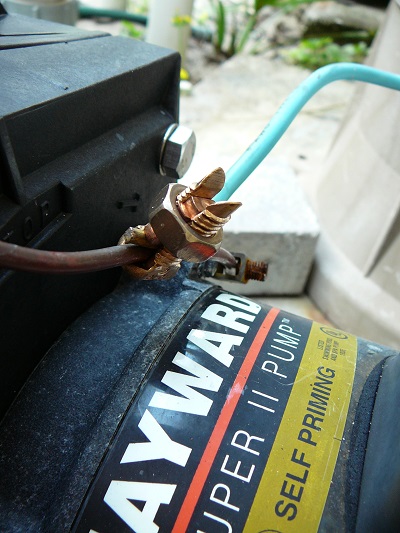
Swimming pools bring a delightful oasis to your backyard, inviting hours of fun and relaxation. However, various safety measures are needed to ensure that these joyous moments aren’t tainted by accidents. While many homeowners know measures like fencing and alarms, there’s an equally crucial yet lesser-known aspect – electrical bonding.
Understanding Pool Bonding:
In the context of swimming pools, bonding refers to the process of connecting all the conductive components of your pool’s structure and equipment to a common ground. This includes the pool’s shell, ladder, handrails, light fixtures, pumps, heaters, and even the water itself.
Bonding doesn’t involve the regular electrical circuit that powers your pool equipment. Instead, it’s a safety measure designed to ensure that all metallic components have the same electrical potential, reducing the risk of electrical shocks.
Why is Pool Bonding Essential?
Prevention of Electric Shock:
Bonding primarily aims to protect swimmers and people around the pool from electrical shocks. Ensuring all conductive components have the same electrical potential minimizes the likelihood of electrical current traveling through a person. When everything is at the same voltage, electricity won’t “jump” to a person as they don’t present a path of lesser resistance.
Compliance with Safety Standards:
Pool bonding isn’t just a recommended safety measure—it’s a requirement. The National Electric Code (NEC) mandates that all metallic components of a pool be bonded. Non-compliance could lead to legal implications, fines, and potential difficulties with home insurance claims.
Protecting Pool Equipment:
Electrical faults can cause serious damage to pool equipment, leading to expensive repairs or replacements. Bonding helps protect your pool equipment by ensuring any stray voltage is directed to the ground, away from your equipment.
Ensuring Proper Pool Bonding:
Given the intricacies of pool bonding and the potential risks of getting it wrong, it’s crucial to hire a licensed professional to carry out the job. They will:
Identify all metallic components associated with the pool.
Connect these components using a solid copper conductor.
Ensure the bonding wire is correctly connected to the pool’s equipment and metal fixtures.
Install a bonding wire to the pool shell’s reinforcing steel or a “pool bonding ring” if your pool doesn’t have steel reinforcement.
Regular checks should also be conducted to ensure the bond remains intact over time.
In conclusion, while bonding might seem like a complex and technical aspect of pool safety, its purpose is straightforward and critically important—providing a safe swimming environment. Ensuring your pool is correctly bonded is an investment in peace of mind, enabling you to relax and enjoy your pool to the fullest, with the confidence that a key safety measure is in place.